Visual Supports
Practical Strategies for the Early Childhood Classroom
As an early childhood educator, you juggle countless tasks every day. You are guiding group transitions, helping children learn new skills, and making sure your classroom stays inclusive and supportive for every learner. One of the simplest yet most powerful tools you can add to your toolkit is visual supports.
Visual supports are any picture, symbol, object, or written word that helps children understand what is happening, what is expected, or what comes next. From picture schedules to choice boards, visuals reduce frustration, increase independence, and create consistency for children of all abilities.
In this post, we’ll explore why visuals matter, how you can use them in your classroom, and how they support inclusion.
Visual supports are any picture, symbol, object, or written word that helps children understand what is happening, what is expected, or what comes next. From picture schedules to choice boards, visuals reduce frustration, increase independence, and create consistency for children of all abilities.
In this post, we’ll explore why visuals matter, how you can use them in your classroom, and how they support inclusion.
Why Visual Supports Matter
Young children are still developing language skills, attention spans, and memory. For many, spoken instructions happen too quickly for them to fully process and understand the meaning of the words. Visuals give children something concrete and lasting to refer back to. Research shows that using visuals can improve communication, support self-regulation, and promote participation in routines.
For children with developmental delays, autism, or language differences, visual supports can be the bridge that helps them communicate with their teacher and stay connected to what’s happening in the classroom. But visuals aren’t only for children with disabilities. They benefit every child!
In fact, adults rely on visuals all the time. Think about how you use a calendar to plan your week, follow road signs while driving, or reference a recipe when cooking dinner. Those are all visual supports! When you bring visuals into your classroom, you’re not just helping children in the moment, you’re teaching them a lifelong strategy for organizing information, reducing stress, and increasing independence.
In fact, adults rely on visuals all the time. Think about how you use a calendar to plan your week, follow road signs while driving, or reference a recipe when cooking dinner. Those are all visual supports! When you bring visuals into your classroom, you’re not just helping children in the moment, you’re teaching them a lifelong strategy for organizing information, reducing stress, and increasing independence.
Practical Ways to Use Visual Supports in Your Classroom
You don’t need expensive tools to start using visuals. Many supports can be created with laminated pictures, printed icons, or even drawings. Here are some ideas that work well in early learning classrooms:
- Picture Schedules: Post a visual daily schedule with photos or picture icons so children can see what is happening now and what comes next. This helps reduce anxiety and smooths transitions. Tip: Make sure this is posted at children’s eye level!
- First/Then Visuals: Show what needs to happen first (clean up toys) and what will happen after (play outside). This is especially helpful for children who resist transitions.
- Classroom Problem-Solving: Use simple pictures to remind children of conflict resolution strategies with pictures like “Wait for a turn,” “Trade,” “Ask a teacher for help,” or “Get a timer.”
- Choice Boards: Offer visual options for activities or centers. This promotes independence by helping children make and express their decisions.
Helping Children Gain Independence with Visuals
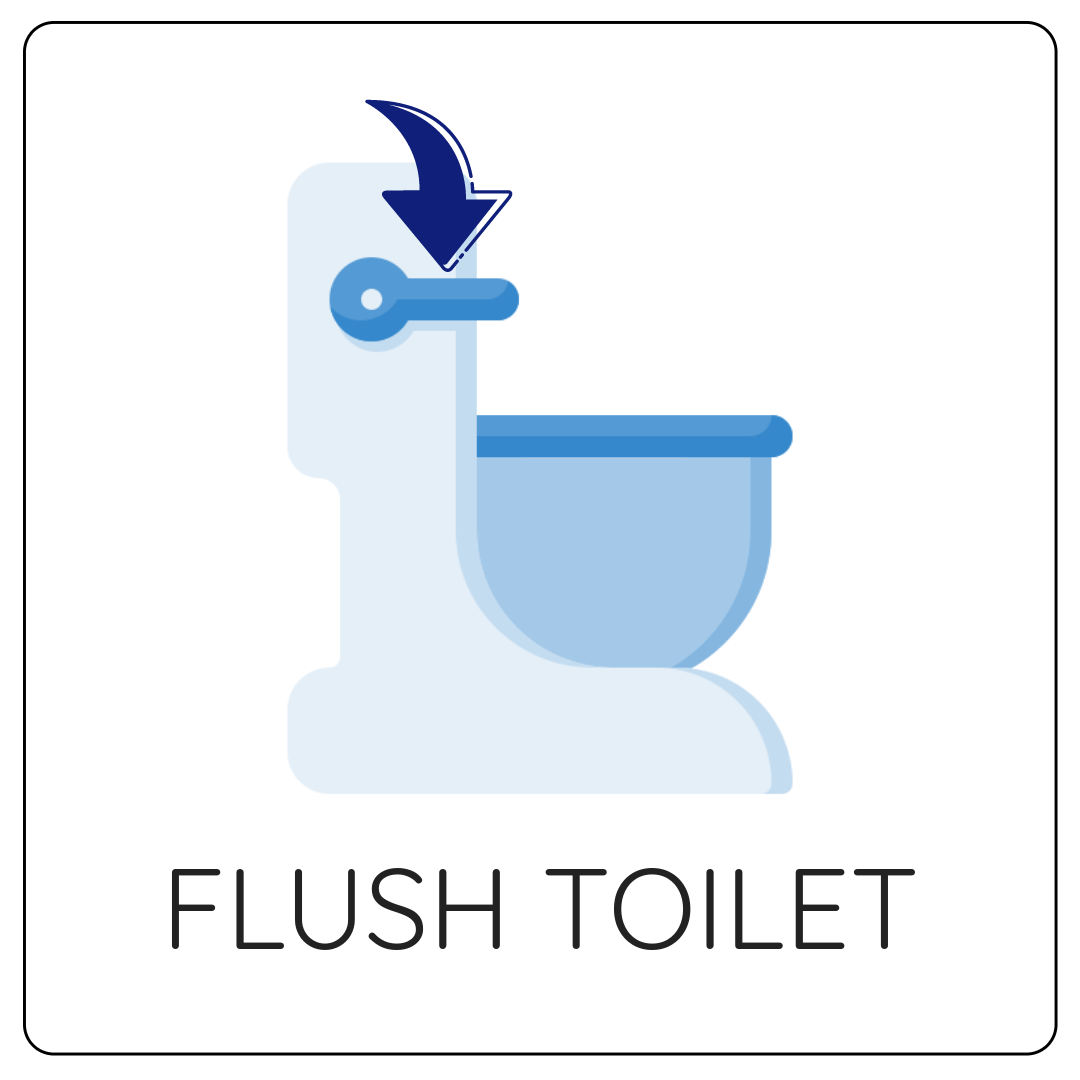
One of the most empowering benefits of visuals is the way they help children take ownership of their routines. For example, sequence strips are mini-schedules that simplify complex or multi-step instructions by showing children the individual steps of a task like handwashing or scraping food off their plate after lunch. Instead of waiting for an adult
to walk them through the process, children can follow the pictures step by step. When children use visuals to complete tasks on their own, they feel capable and proud. This independence frees up educators to focus on connection and teaching rather than constant reminders.



Visual Supports Build Inclusive Classrooms
Visuals are essential for equity and inclusion. When you use visual supports, you create access for children who may process information differently.
- Dual language learners can use visuals to follow routines while building vocabulary in a new language.
- A child with autism can rely on a visual schedule to feel safe and secure in knowing what comes next.
- A child who struggles with attention can use a visual reminder to stay engaged without needing repeated adult redirection.
Visual supports help children learn new skills, follow the day’s routines, and teach new vocabulary. By making expectations and routines visible, you are creating a classroom where every child has the tools they need to succeed.
Start Your School Year Off Right with IMPACT’s Back to School Bundle
The start of the school year is the perfect time to rethink how you use visuals in your classroom and how you engage with families. A smooth, inclusive, and well-prepared environment makes all the difference – not just for children, but for teachers and families too.
That is exactly why IMPACT created the Back to School Bundle—a limited-time offer that gives you 30% off when you purchase two of IMPACT’s most practical eLearning courses together:
That is exactly why IMPACT created the Back to School Bundle—a limited-time offer that gives you 30% off when you purchase two of IMPACT’s most practical eLearning courses together:
Learn more and grab the bundle here: Back to School Bundle
Want a Sneak Peak?
Inside the Visual Supports course, you’ll discover:
- How to introduce visuals in a way that actually captures children’s attention
- Strategies for weaving visuals naturally into your daily routines
- Step-by-step guides on using visuals for emotional regulation (like helping children recognize feelings and choose calming strategies)
- A library of over 100 printable pictures and ready-to-use templates you can download and start using right away in your classroom
These printables save you time and give you everything from daily schedules and choice boards to first/then visuals and sequence strips. No need to start from scratch! You’ll walk away with a toolkit that you can put into action immediately.
And inside the Partnering with Families course…
Strong family partnerships don’t just happen magically. They take intentional effort, especially at the start of the school year. That’s where this course comes in. You’ll get guidance to help you build trust and open lines of communication with the families in your program. This training includes:
Strong family partnerships don’t just happen magically. They take intentional effort, especially at the start of the school year. That’s where this course comes in. You’ll get guidance to help you build trust and open lines of communication with the families in your program. This training includes:
- Concrete ways to engage families right from the start of the year so they feel included as partners in their child’s learning
- Step-by-step approaches to overcome resistance and navigate challenging conversations with confidence
- Detailed templates and conference planning tools for preparing for family meetings, difficult conversations, and ongoing communication throughout the year
With these strategies and ready-to-use tools, you’ll be equipped to foster stronger relationships with families, setting the stage for a more collaborative and successful school year.

Final Thoughts
Visual supports are not just “extras” for some children. They are powerful tools that support learning, independence, and inclusion for all children. By intentionally weaving them into your daily routines, you are creating a classroom that truly works for everyone.
Don’t miss your chance to kick off the school year feeling prepared, confident, and supported. Explore the Back-to-School Bundle today and take advantage of this limited-time 30% off offer.
- The IMPACT Team
Don’t miss your chance to kick off the school year feeling prepared, confident, and supported. Explore the Back-to-School Bundle today and take advantage of this limited-time 30% off offer.
- The IMPACT Team
Note: Course links and offers mentioned in this post may have changed since publication. To see what’s currently available, visit our course library.
If you're interested in learning more about supporting children with ADHD, Autism, or sensory regulation, check out these courses:
IMPACT™ content is developed by a multidisciplinary team and makes every effort to ensure that information provided reflect evidence-based, early childhood best practices. Providers should always follow local jurisdictions and other governing bodies rules and regulations when implementing any strategy or suggestion. Any actions, or lack of actions, are not the responsibility or liability of Northwest Center Kids – IMPACT™.
All content, including the presentation thereof on this web site, is the property of Northwest Center IMPACT™, and protected by U.S. and international copyright laws. You may not copy, reproduce, distribute, transmit, modify, create derivative works, or in any other way exploit any part of copyrighted material without the prior written permission from Northwest Center.
All content, including the presentation thereof on this web site, is the property of Northwest Center IMPACT™, and protected by U.S. and international copyright laws. You may not copy, reproduce, distribute, transmit, modify, create derivative works, or in any other way exploit any part of copyrighted material without the prior written permission from Northwest Center.
Connect
-
Seattle, WA
-
impact@nwcenter.org
-
NWC Home
Policy pages
Subscribe & stay up to date
Thank you!
Copyright © 2026
IMPACT™ content is developed by a multidisciplinary team and makes every effort to ensure that information provided reflect evidence-based, early childhood best practices. Providers should always follow local jurisdictions and other governing bodies rules and regulations when implementing any strategy or suggestion. Any actions, or lack of actions, are not the responsibility or liability of Northwest Center Kids – IMPACT™. All content, including the presentation thereof on this web site, is the property of Northwest Center IMPACT™, and protected by U.S. and international copyright laws. You may not copy, reproduce, distribute, transmit, modify, create derivative works, or in any other way exploit any part of copyrighted material without the prior written permission from Northwest Center.